ARM Based SBC (Single Board Computer) is a compact computer built around an ARM architecture processor. It integrates key components such as the processor, memory, storage, and input/output interfaces onto a single circuit board. It is commonly used in embedded systems, IoT devices, education, development, and prototyping.
ARM Based SBC (Single Board Computer) is a compact computer built around an ARM architecture processor. It integrates key components such as the processor, memory, storage, and input/output interfaces onto a single circuit board. It is commonly used in embedded systems, IoT devices, education, development, and prototyping.
Key Features:
-
ARM Architecture: Utilizes ARM processors, known for their low power consumption and high efficiency, making them ideal for mobile devices and embedded applications.
-
Compact Design: Small in size, suitable for environments with limited space.
-
Low Cost: Relatively inexpensive, making it suitable for projects with tight budgets.
-
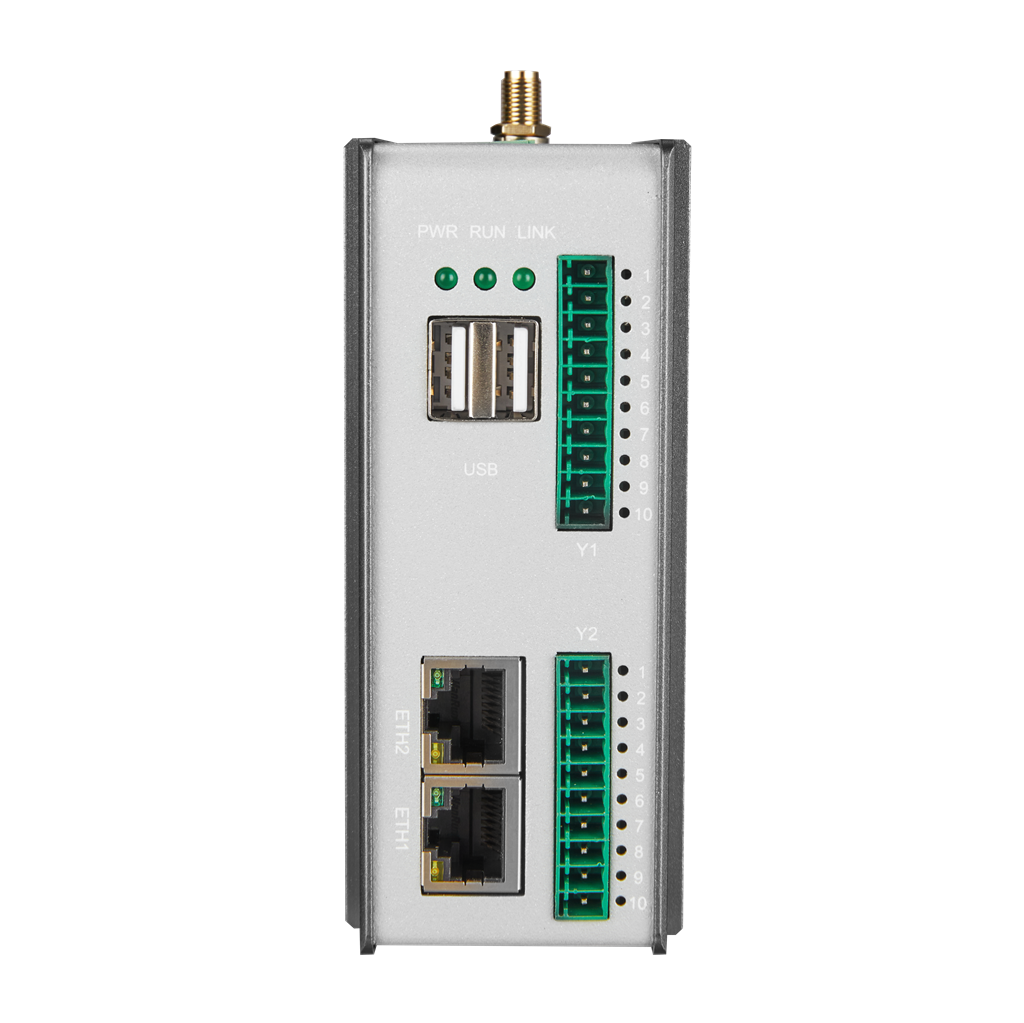
Rich Interfaces: Typically equipped with GPIO, USB, HDMI, Ethernet, and other interfaces for easy expansion and peripheral connectivity.
-
Open-Source Support: Many ARM SBCs support open-source operating systems like Linux, facilitating development and customization.
Common Applications:
-
Education: For example, the Raspberry Pi is widely used for programming and electronics teaching.
-
Internet of Things (IoT): Used in smart homes, sensor networks, etc.
-
Media Centers: Serves as home theater systems or streaming media players.
-
Industrial Control: Used for control and monitoring in automation systems.
-
Prototyping: Engineers and developers use it for rapid design validation.
Notable ARM Based SBCs:
-
Raspberry Pi: One of the most popular SBCs, ideal for education and development.
-
BeagleBone: Known for its strong expandability and open-source community support.
-
NVIDIA Jetson Nano: Focused on AI and machine learning.
-
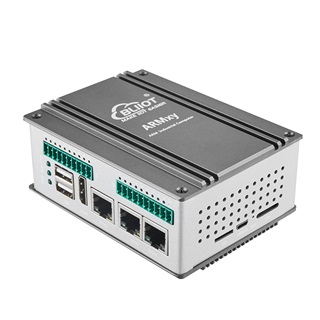
ARMxy: Offers a variety of high-performance options, more than 1000 combination are available.
-
Pine64: Renowned for its cost-effectiveness and open-source hardware.
Summary:
ARM Based SBCs are versatile, low-cost computers suitable for a wide range of applications, particularly excelling in embedded systems and IoT fields.


