Nearly all industrial enterprises are converging on AI Edge Computing. From automation giants to innovative startups, the most prominent displays feature "Edge + AI" products.
The Shanghai Industrial Automation Show sends a strong message: nearly all industrial enterprises are converging on AI Edge Computing. From automation giants to innovative startups, the most prominent displays feature "Edge + AI" products. The show signals that AI edge computing is no longer a concept but a critical competitive arena in industry.
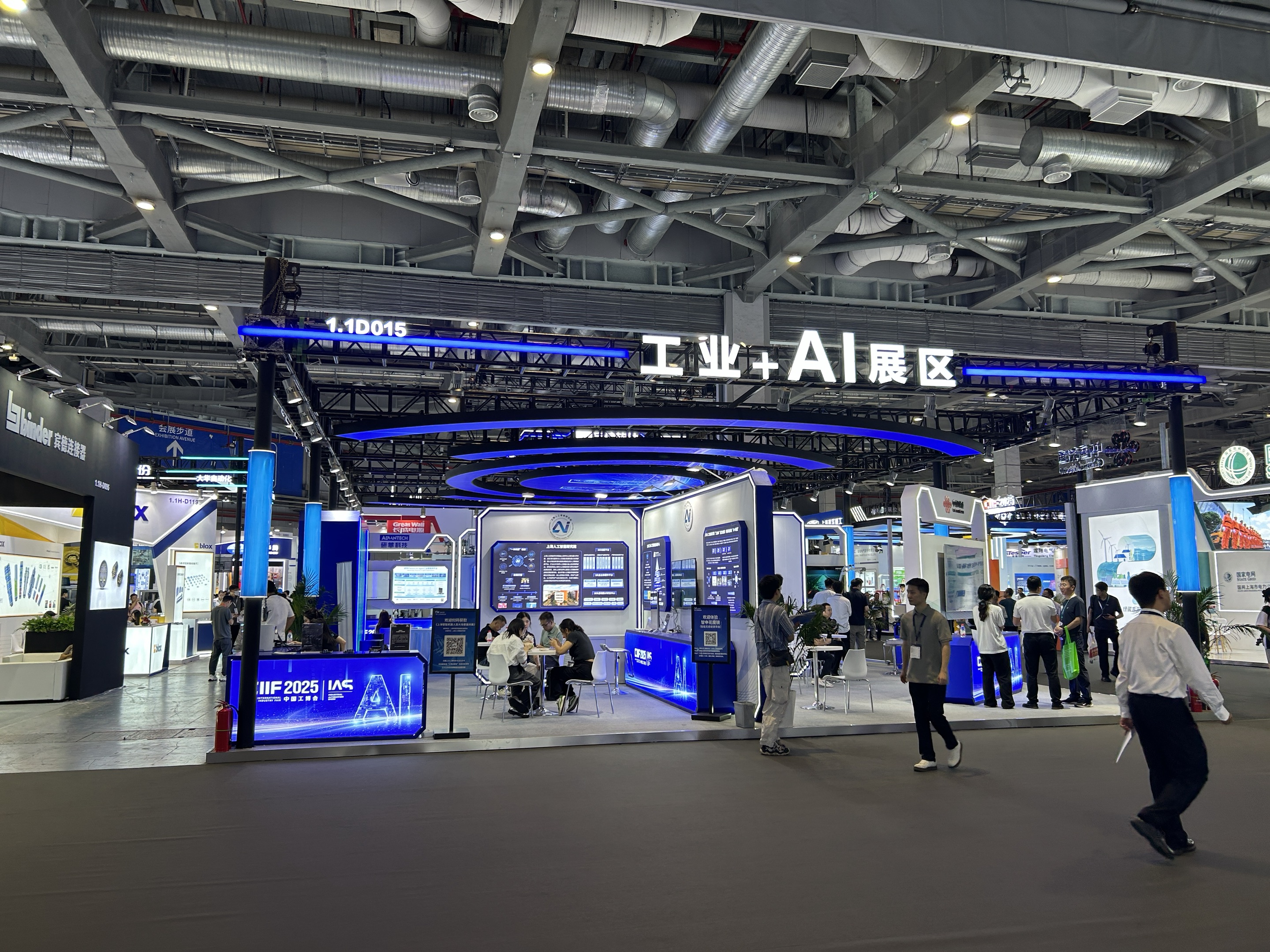
Why the Focus on AI Edge Computing?
In recent years, the buzzword for industrial digitalization was “cloud computing,” with data sent to the cloud for centralized processing and analysis. However, real-world implementation revealed challenges:
- High Latency: Cloud responses are too slow for on-site real-time control.
- Limited Bandwidth: Large datasets, such as videos and images, are difficult to transmit.
- Security Concerns: Companies are reluctant to upload sensitive production data to the cloud. Consequently, computing power must shift to the edge, enabling data collection, analysis, and decision-making directly at factories or near equipment.
Three Key Trends at the ISA
- Rapidly Increasing Computing Power:
- Edge devices’ AI computing capabilities are advancing from 1 TOPS to 10 TOPS and up to 100 TOPS.
- Applications like visual inspection, predictive maintenance, and energy optimization are now executable directly at the edge.
- More Open Interfaces:
- New edge products support industrial interfaces (RS485, CAN, DI/DO, Industrial Ethernet) and protocols like Modbus, OPC UA, and MQTT, ensuring seamless connectivity and eliminating "data silos."
- Practical AI Applications:
- AI has moved from abstract to tangible use cases:
- Production Line Cameras: Defect detection.
- Motors and Pumps: Anomaly monitoring.
- Energy Storage Systems: Temperature control and safety protection.
- Smart Agriculture: Environmental monitoring and coordinated control.
The Future of AI Edge Computing
Based on the fair and industry developments, three future paths are noteworthy:
- Lightweight AI Models: Small models for rapid inference at the edge to meet real-time demands.
- Edge Collaboration: Interconnected nodes forming a "distributed computing network."
- Edge-Cloud Integration: Edge for real-time responses, cloud for global analysis. This points to a future where factories transition from mere "automation" to true "intelligence," powered by edge AI.
Beilai Technology’s Strategy: ARMxy Series
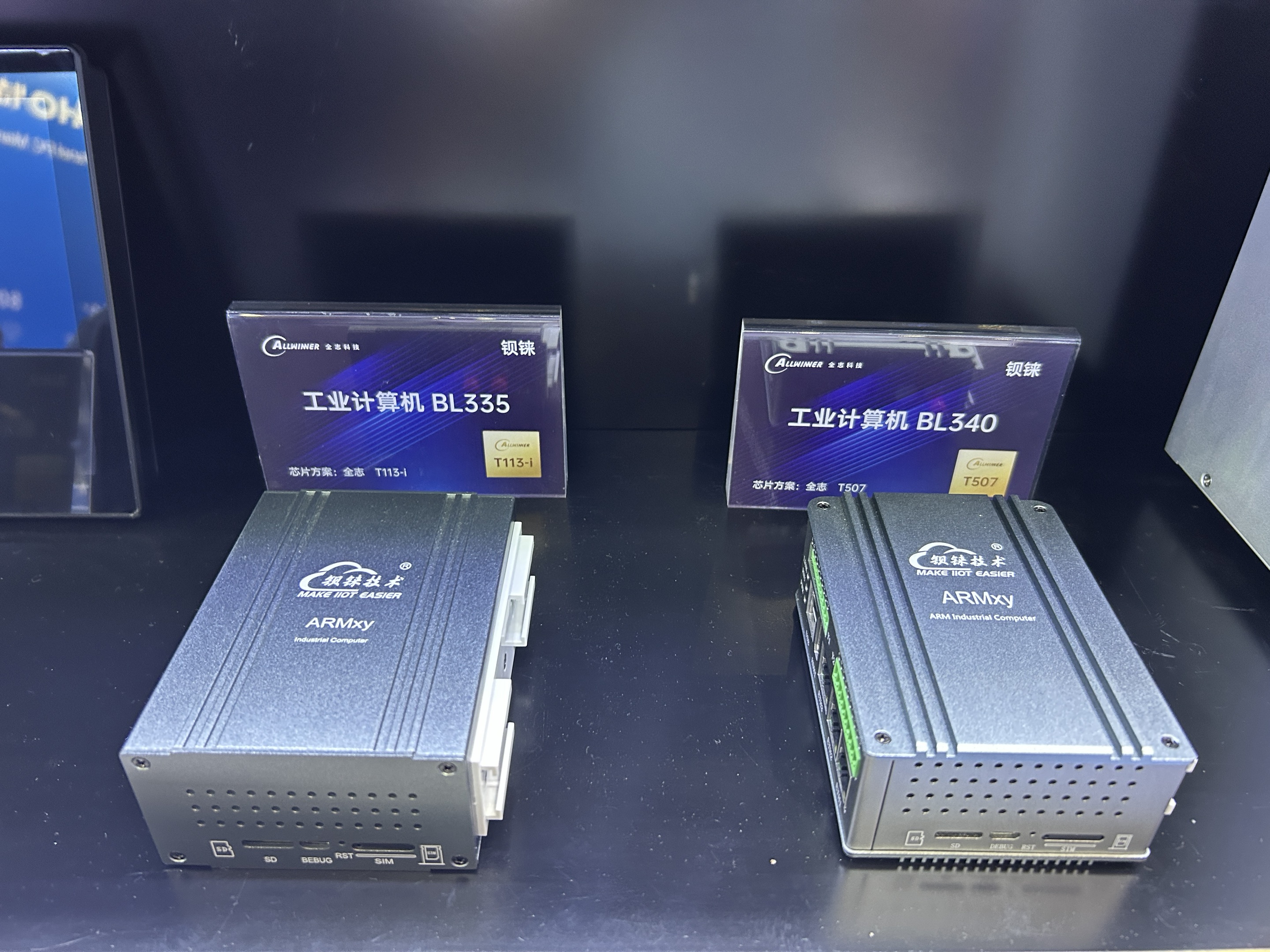
Shenzhen Beilai Technology Co., Ltd. has strategically embraced AI edge computing with its ARMxy series of industrial embedded computers:
- Diverse Processors: Based on NXP, TI, Rockchip, and Allwinner processors, balancing high performance and low power consumption.
- AI Computing Support: Certain models (e.g., BL450 ARM AI Box with 6 TOPS NPU) support deep learning for applications like video analysis, face recognition, and object detection.
- Rich Industrial Interfaces: RS485, CAN, DI/DO, Ethernet, and flexible IO boards to meet diverse on-site integration needs.
- Comprehensive Protocol Support: Compatible with Modbus, OPC UA, MQTT, DLT645, IEC104, and other industrial and energy protocols, facilitating data collection and transmission.
- Wide Applications: Deployed in industrial control, energy storage systems, machine vision, AGV robots, smart agriculture, and smart energy. The ARMxy series is more than a hardware platform; it is Beilai Technology’s strategic foundation in the AI edge computing race, driving deeper integration of edge computing with industrial applications for true intelligence.


