ARM industrial controllers with weighing technology are essential to ensuring product quality, optimizing process flows and improving efficiency, is core components of production line weighing systems.
Case Details
In modern industrial production, weighing technology is critical for ensuring product quality, optimizing processes, and enhancing efficiency. With the advancement of Industry 4.0, ARM-based industrial controllers have become core components in weighing systems for production lines due to their high performance, low power consumption, and flexibility. This article explores the application of ARM industrial controllers in industrial weighing, analyzing their technical advantages, typical use cases, and future trends.
Technical Advantages of ARM Industrial Controllers
High-Performance Processing
ARM architecture processors are renowned for their efficient computing power and low energy consumption. In industrial weighing systems, ARM controllers can rapidly process large volumes of data from sensors, ensuring real-time performance. For instance, Cortex-A series processors support multi-core processing, making them suitable for dynamic weighing scenarios requiring complex algorithms.
Low Power Consumption and High Reliability
Industrial production lines often require equipment to operate stably for extended periods. The low-power design of ARM controllers reduces energy consumption, while their Reduced Instruction Set Computing (RISC) architecture ensures high reliability, minimizing downtime risks due to overheating or hardware failures.
Flexible Scalability
ARM controllers support a wide range of interfaces (e.g., I2C, SPI, UART, Ethernet), enabling seamless integration with various weighing sensors, display devices, and communication modules. This flexibility allows them to adapt to diverse industrial weighing requirements, regardless of scale or complexity.
Real-Time Operating System Support
ARM controllers typically run embedded Real-Time Operating Systems (RTOS) or Linux, enabling efficient multitasking and precise data acquisition and transmission. This is particularly crucial in production lines requiring high-precision and high-frequency data processing.
Application Scenarios of ARM Industrial Controllers in Weighing Systems
Automated Production Line Weighing

In industries such as food, pharmaceuticals, and chemicals, ARM controllers are widely used for dynamic weighing on automated production lines. For example, in food packaging lines, ARM controllers connect to high-precision weighing sensors to monitor product weight in real time, ensuring compliance with specifications. The controllers can also upload data to Manufacturing Execution Systems (MES) via Ethernet or Modbus protocols for production traceability.
Logistics Sorting Systems
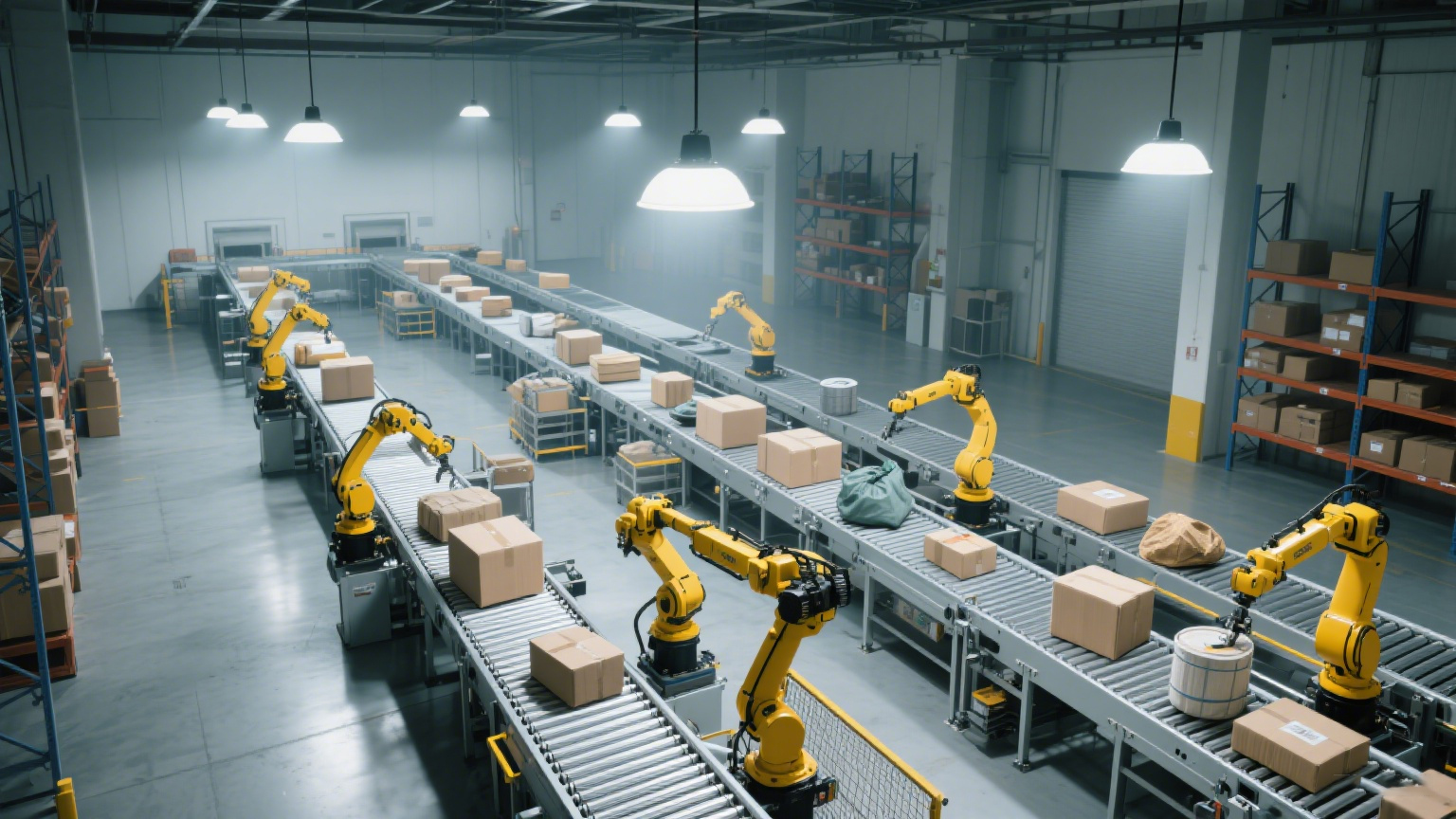
In the logistics industry, ARM controllers are employed in high-speed sorting systems’ weighing modules. Combined with vision recognition technology, they quickly process weighing data to determine whether parcels meet transportation standards, transmitting results to sorting equipment to significantly improve efficiency.
Batching Systems

In industrial scenarios requiring precise batching (e.g., concrete production or chemical reagent mixing), ARM controllers use multi-channel data acquisition to accurately control the dispensing of raw materials. Their high-performance computing supports complex recipe algorithms, ensuring batching accuracy and consistency.
Smart Warehouse Management
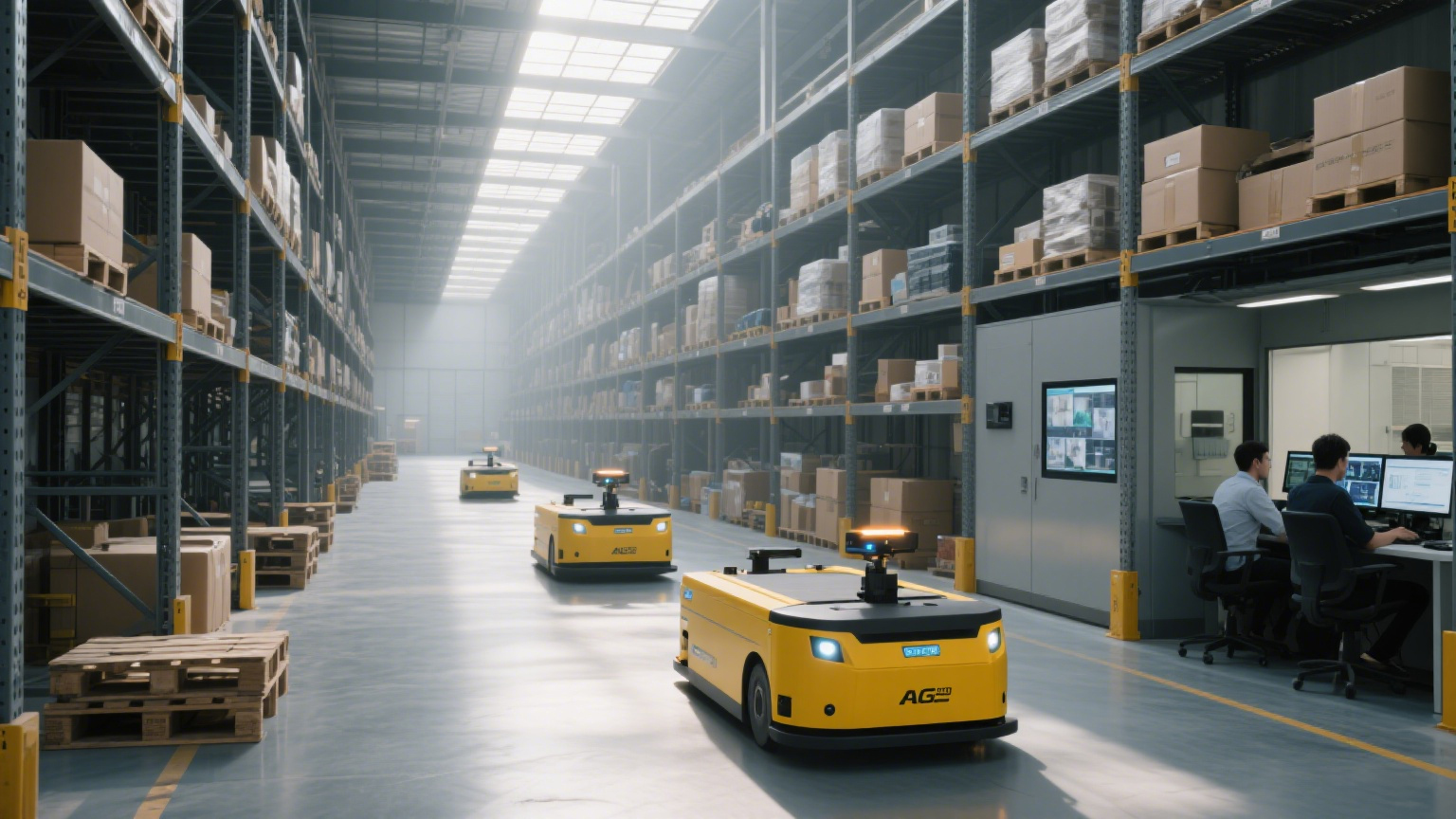
In smart warehousing, ARM controllers manage cargo weighing and inventory monitoring. Integrated with RFID or barcode scanning systems, they record cargo weight in real time and update inventory data, optimizing warehouse management efficiency.
Case Study
A Vietnamese food processing company deployed the ARM Cortex-A53-based industrial controller BL340 on its packaging production line for dynamic weighing and quality control. The system collects data from high-precision weighing sensors 100 times per second, and the ARM controller processes the data and connects with the programmable logic controller (PLC) to synchronize with the production line. If a weight deviation is detected, the controller triggers an alarm and stops the production line to prevent defective products from entering the market.
Future Trends
Integration with Artificial Intelligence
As artificial intelligence advances, ARM controllers will increasingly incorporate AI algorithms for predictive maintenance and intelligent calibration. For example, by analyzing historical weighing data with machine learning, systems can automatically adjust sensor parameters, reducing manual intervention.
Industrial Internet of Things (IIoT) Integration
ARM controllers support high-speed communication protocols like 5G and Wi-Fi 6, enabling deeper integration with the Industrial Internet of Things. This will facilitate cloud-based storage and remote monitoring of weighing data, further enhancing production line digitization and intelligence.
Modularization and Standardization
Future ARM controllers will become more modular, supporting plug-and-play functionality to reduce integration costs. Additionally, industry standardization will drive their widespread adoption globally.
Conclusion
ARM industrial controllers, with their high performance, low power consumption, and flexibility, have become ideal solutions for industrial production line weighing systems. From automated production lines to smart warehousing, their applications are extensive and expanding. As AI and IIoT technologies continue to evolve, ARM controllers will play an even greater role in advancing intelligent and sustainable manufacturing.


