ARM industrial PCs are playing an increasingly important role in Digital Twin applications, particularly in scenarios requiring edge computing, data acquisition, real-time monitoring, and on-site control.
Case Details
ARM industrial PCs are playing an increasingly important role in Digital Twin applications, particularly in scenarios requiring edge computing, data acquisition, real-time monitoring, and on-site control, thanks to their advantages of low power consumption, high integration, strong real-time capabilities, and cost-effectiveness. Below are some typical application cases:
Core Application Scenarios & Cases
-
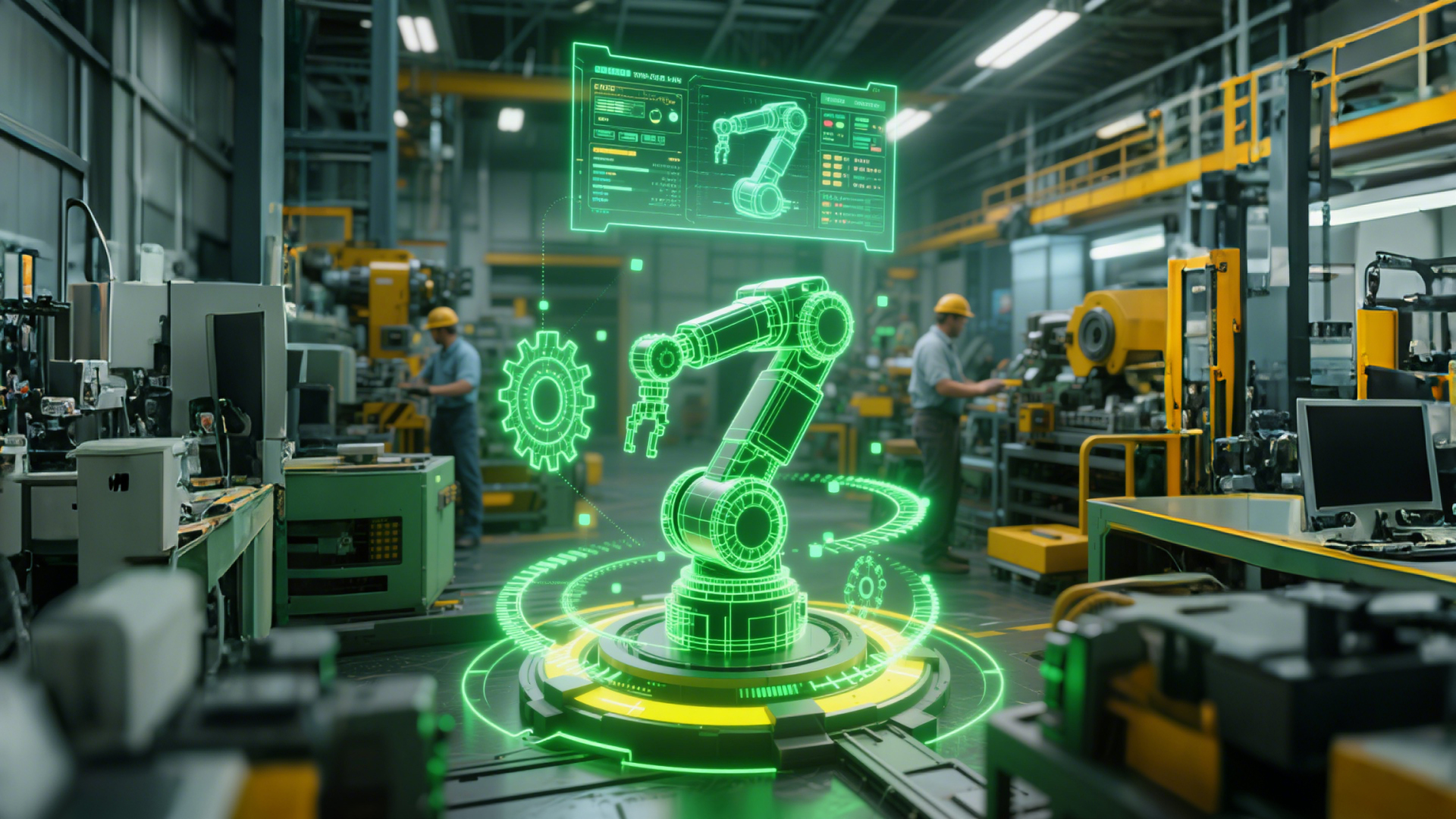
Real-time Monitoring & Predictive Maintenance for Industrial Equipment/Production Lines:
-
Scenario: Deploying Digital Twins for critical equipment (e.g., machine tools, pumps, motors, conveyors) or entire production lines within factory workshops.
-
Role of ARM Industrial PC:
-
Data Gateway/Edge Computing Node: Connects various sensors on equipment (temperature, vibration, pressure, current, PLC data, etc.) for real-time data acquisition, preprocessing (filtering, aggregation, feature extraction), and local storage.
-
Edge Model Execution: Runs lightweight machine learning models or rule engines at the edge for real-time condition monitoring, anomaly detection, and even preliminary fault prediction. Optimized models (e.g., TensorFlow Lite, ONNX Runtime) run efficiently on ARM platforms.
-
Local Twin Update: Updates a simplified device/production line Digital Twin locally based on real-time data to reflect the current state.
-
Control Command Execution: Sends control signals (e.g., adjusting parameters, starting/stopping equipment) to PLCs or actuators based on model analysis results or instructions from the cloud.
-
Advantages: Low-latency response (millisecond level), reduced bandwidth pressure (only uploading key information or anomaly data), ability to perform local monitoring and basic control during network outages, low power consumption suitable for 24/7 operation.
-
Case: A certain auto parts factory installed ARM Rockchip RK3576 Cortex-A72 BL440 Series based industrial PCs on each CNC machine tool. These PCs collect vibration and spindle current data in real-time, run AI models locally to predict tool wear, and synchronize results and key data with the cloud-based factory-wide Digital Twin platform. This enables precise tool replacement scheduling, reducing unexpected downtime.
-
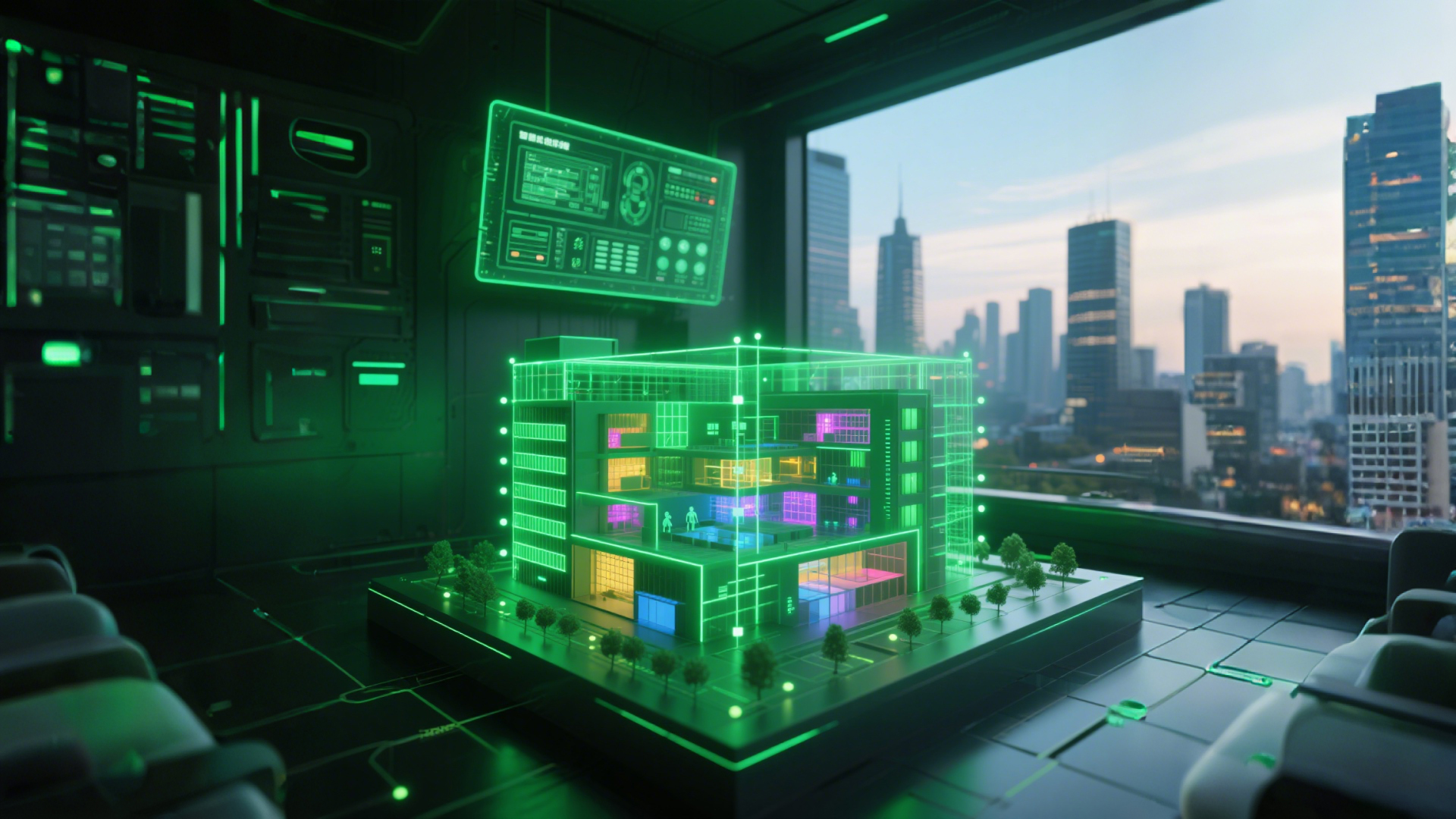
Smart Buildings/Facility Management:
-
Scenario: Building Digital Twins for structures (e.g., data centers, office buildings, airports) to manage energy, HVAC, lighting, security systems, etc.
-
Role of ARM Industrial PC:
-
Zone Controller/Edge Gateway: Deployed on floors or in equipment rooms, connecting local sensors (temperature, humidity), HVAC controllers, lighting controllers, electricity meters, cameras, etc.
-
Local Environment Optimization: Runs rule-based or simple model algorithms to dynamically adjust local HVAC and lighting based on real-time data and preset strategies (e.g., occupancy density, outdoor weather), achieving a balance between energy savings and comfort.
-
Data Aggregation & Forwarding: Uploads processed environmental data, energy consumption data, and equipment status to the central Digital Twin in the cloud or Building Management System (BMS).
-
Security Edge Processing: Connects cameras for local video analytics (e.g., people counting, abnormal behavior detection).
-
Advantages: Compact size for easy deployment in telecommunications rooms or ceilings, low power consumption and minimal heat dissipation, low cost suitable for large-scale deployment, fast response for local closed-loop control.
-
Case: A certain large airport deployed multiple NXP i.MX8M based ARM industrial PCs BL360 Series in departure halls as "smart zone nodes." These nodes collect environmental data in real-time and control local HVAC fan coil units and lighting. They also upload crowd density and comfort metrics to the BIM (Building Information Modeling) Digital Twin platform. The platform performs global optimization and pushes strategies down to the edge nodes.
-
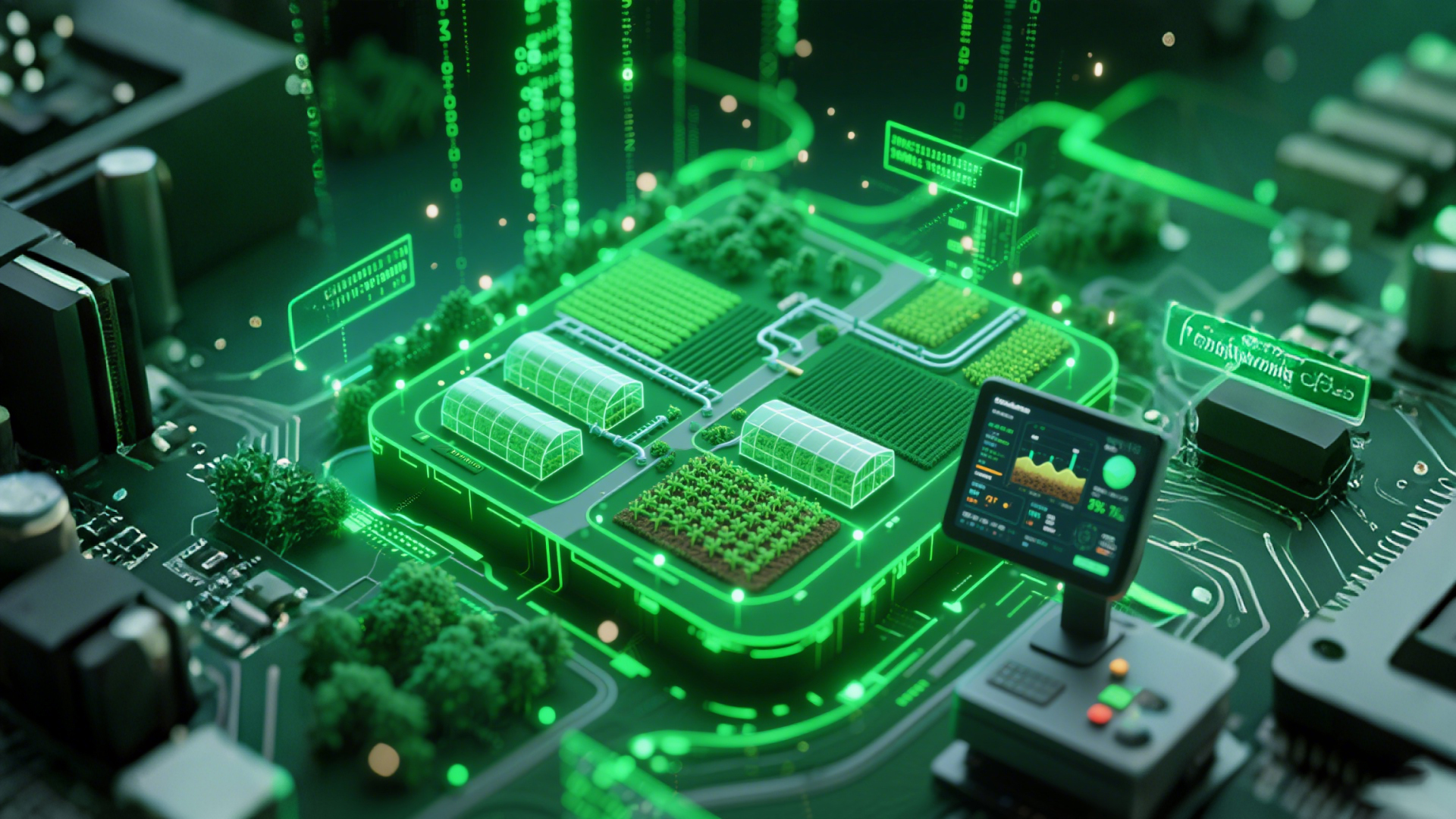
Smart Agriculture/Greenhouses:
-
Scenario: Building Digital Twins for greenhouses or farmland to monitor the environment and crop growth, optimizing irrigation and fertilization.
-
Role of ARM Industrial PC:
-
Greenhouse/Field Edge Brain: Connects soil moisture/temperature sensors, light sensors, weather stations, cameras, irrigation valves, fertilizer pumps, etc.
-
Closed-Loop Environmental Control: Automatically controls equipment like curtains, ventilation fans, shade nets, drip irrigation, and supplemental lights based on preset crop growth models and real-time data to maintain optimal growing conditions.
-
Visual Monitoring: Runs lightweight image recognition models to detect pests/diseases and estimate crop growth stages.
-
Data Logging & Reporting: Records local environmental data and operation logs, uploading key information to the cloud platform Digital Twin.
-
Advantages: Tolerant of harsh agricultural environments (wide temperature range, dustproof), low power consumption enables solar power supply, operates autonomously locally without relying on constant network connectivity, low cost suitable for large-area deployment.
-
Case: A certain modern agricultural park deployed Rockchip RK3568 Cortex-A55 based ARM industrial PCs BL410 Series in multiple greenhouses. These PCs automatically adjust the greenhouse environment based on tomato growth models and real-time sensor data. They also identify early signs of pests/diseases via cameras, significantly increasing yield and reducing manual intervention.
-
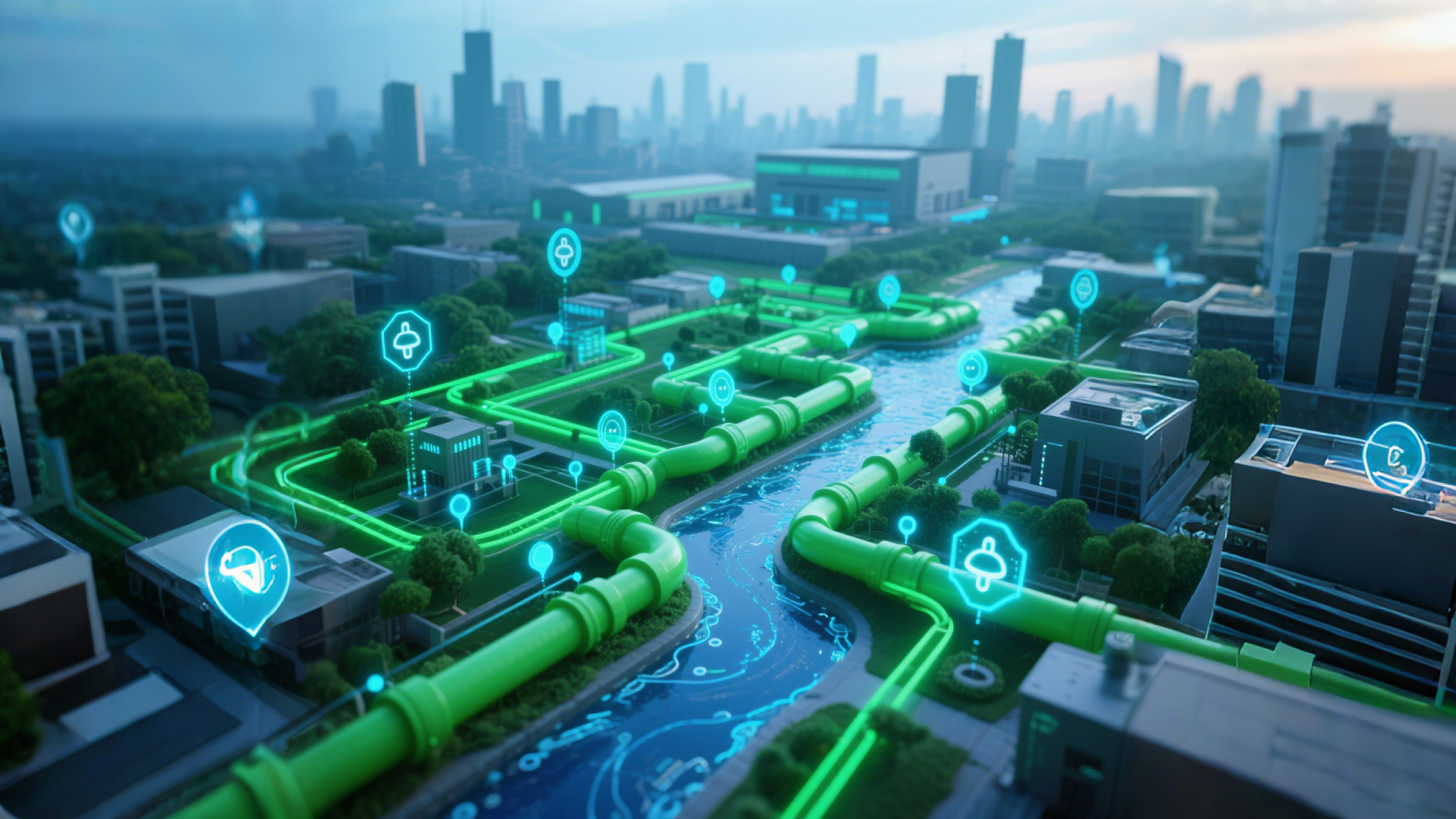
Urban Infrastructure Monitoring (Water, Pipelines):
-
Scenario: Building Digital Twins for water supply networks, sewage treatment plants, pump stations, etc.
-
Role of ARM Industrial PC:
-
Pump Station/Pipeline Monitoring Station: Deployed at remote pump stations, key pipeline nodes, or water treatment units.
-
Data Acquisition & Edge Alarming: Collects pressure, flow, water quality (pH, turbidity), and equipment status (pump on/off, valve position) data. Runs rule engines for real-time detection of leaks, pressure anomalies, water quality exceedances, triggering immediate local alarms or protective actions.
-
Edge Computing Optimization: In sewage treatment processes, may run simplified models to provide preliminary optimization suggestions for aeration volume or chemical dosing.
-
Reliable Communication: Supports various industrial protocols (Modbus, CAN, MQTT) and network connections (4G/5G, Ethernet) to ensure stable data transmission back to the central Digital Twin platform.
-
Advantages: Rugged design for outdoor or underground environments, low power consumption reduces demands on local power supply, local processing ensures real-time critical alarms.
-
Case: A certain city water company installed ARM industrial PCs BL350 Series (e.g., based on TI AM62x) with 4G modules at key nodes of the water supply network. These PCs monitor pressure and flow in real-time, use edge computing to quickly locate suspected pipe burst areas, and automatically close nearby valves, significantly reducing repair time.
-
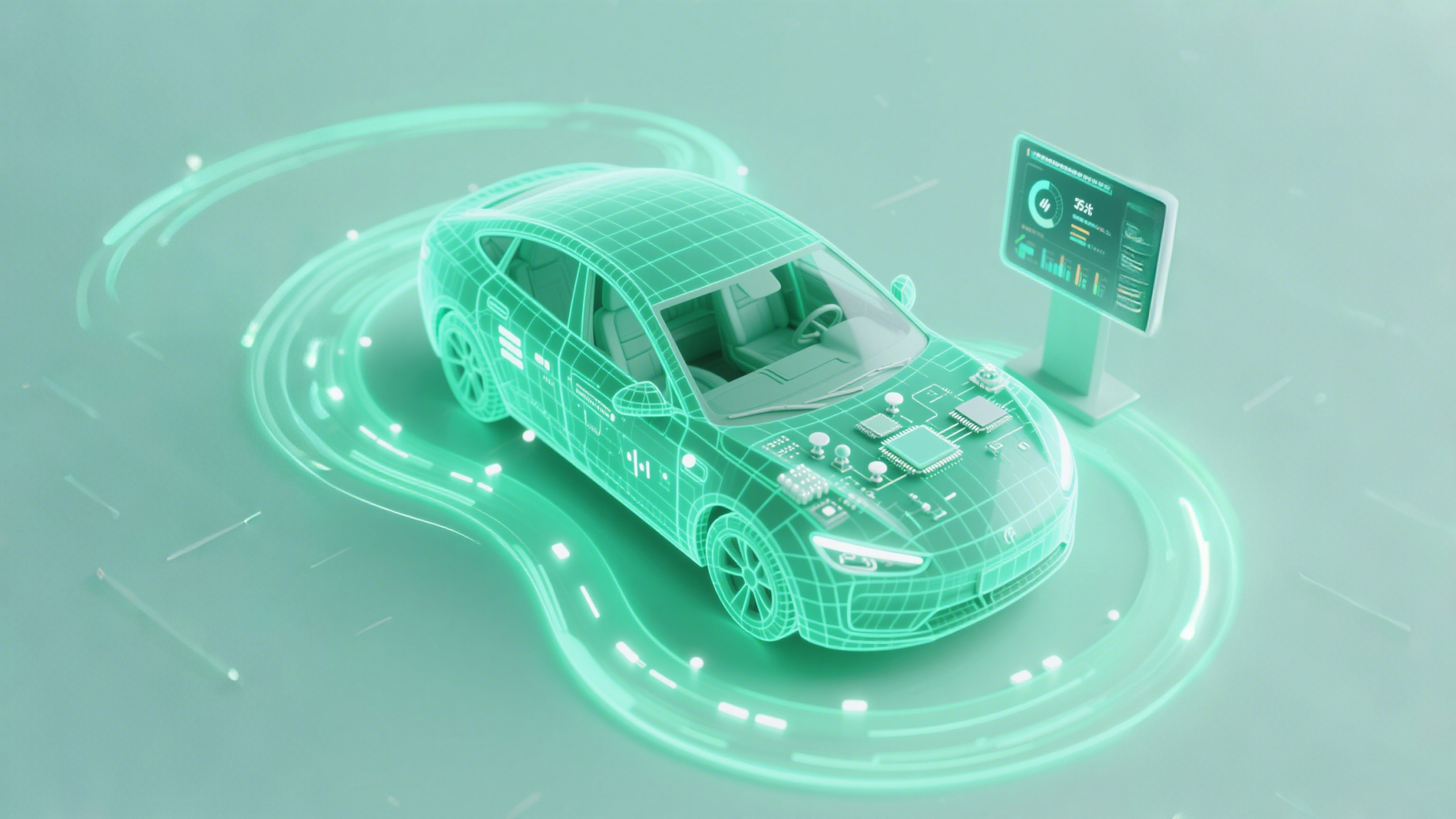
Mobile Equipment/Vehicle-Mounted Edge Node:
-
Scenario: Building Digital Twins for construction machinery (excavators, cranes), AGVs/AMRs, or special vehicles.
-
Role of ARM Industrial PC:
-
Vehicle-Mounted Edge Computing Platform: Installed on mobile equipment, connecting onboard sensors (GPS, IMU, oil pressure, RPM, cameras, LiDAR).
-
Real-Time Status Monitoring & Local Twin: Collects and processes sensor data, maintaining a simplified local Digital Twin of the equipment to display real-time position, orientation, operational status, and health status (oil temperature, vibration anomalies).
-
Operator Assistance/Safety Control: Runs collision avoidance algorithms, work range limits, automatic path fine-tuning, etc., providing real-time assistance information to operators or performing safety-related automatic control.
-
Data Compression & Selective Upload: Processes and compresses large volumes of raw sensor data, uploading only key status information, anomaly events, or aggregated data to the cloud Digital Twin via vehicle networking.
-
Advantages: Small size, lightweight, high shock/vibration resistance, low power consumption minimizes burden on vehicle batteries, powerful local processing meets real-time requirements.
-
Case: A certain port deployed NVIDIA Jetson series (ARM architecture) based industrial PCs on AGVs. These PCs process LiDAR and camera data in real-time for high-precision positioning, obstacle detection, and local path planning. AGV status data is synchronized in real-time with the port's logistics scheduling Digital Twin platform.
Core Advantages of ARM Industrial PCs in Digital Twins - Summary
-
Edge Computing Capability: Performs real-time processing, analysis, and decision-making at the data source, reducing latency and easing the burden on the cloud and network bandwidth.
-
Low Power Consumption: Suitable for 24/7 operation, solar/battery-powered scenarios, or deployments with limited power supply, lowering operational costs.
-
High Integration & Compact Size: Easy to deploy beside field equipment, inside cabinets, or on mobile devices where space is limited.
-
Strong Real-Time Capabilities: Meets deterministic requirements for industrial control and fast-response scenarios (especially with real-time patched ARM Linux or RTOS).
-
Rich I/O & Connectivity: Natively supports various industrial interfaces (RS232/485, CAN, Ethernet, DI/DO, USB) and wireless connections (WiFi, 4G/5G, LoRaWAN).
-
Cost-Effectiveness: Typically offers lower procurement cost and Total Cost of Ownership (TCO) compared to x86 industrial PCs with similar performance.
-
Stability & Reliability: Industrial-grade design, adaptable to harsh environments (wide temperature, high humidity, vibration).
Challenges & Considerations
-
Computational Limits: For scenarios requiring very complex models (e.g., high-precision physics simulation, large-scale 3D rendering) or processing massive raw data streams, high-end ARM chips may not match top-tier x86 CPUs or GPUs. Typically used for running optimized lightweight models or processing critical subsets.
-
Software Ecosystem: While Linux support is good, specific industrial Windows software or large commercial simulation software may not run natively on ARM. Often relies on containerization, web applications, or software stacks optimized for Linux/ARM.
-
Real-Time Requirements: For hard real-time requirements (microsecond-level response), ARM chips with specific real-time features and supporting systems (RTOS) need to be selected.
Conclusion
ARM industrial PCs are ideal foundational components for building distributed, edge-intelligence-driven Digital Twin systems. They efficiently perform tasks like data acquisition, preprocessing, real-time analysis, local decision-making, and control at the "edge" layer close to the physical world. They provide high-quality, refined information to the "brain" in the cloud or central system, while ensuring immediate responses for critical operations. As ARM chip performance continues to improve (e.g., Cortex-X series, NVIDIA Grace) and the software ecosystem matures, their application breadth and depth in Digital Twins will continue to expand, especially in scenarios requiring large-scale deployment, low power consumption, and strong real-time capabilities.


